History
EIT has always been at the forefront of engineering education. We embrace cutting-edge technologies and emerging trends, ensuring that our programs stay ahead of the curve. Through our dynamic and interactive online learning platforms, students from around the globe can access our courses, and those in Australia can study on-campus. Let us dive into the history of EIT.
- 1986 - Boston Technology is founded by Dr. Steve Mackay – his first company – established to sell data communication and industrial automation products internationally. It continues to tick over.
- 1991 - IDC Technologies is then registered, with the aim of providing short courses and workshops for engineers and technicians, typically lasting two to five days and delivered face-to-face. These workshops covered a wide range of engineering disciplines; they were offered publicly in cities worldwide and on work sites for companies like NASA, Rio Tinto, Rolls Royce, and many others. IDC continues today, but in a slightly different guise.
- 2008 - IDC Technologies becomes an Australian Registered Training Organisation (RTO).
- 2009 - The Engineering Institute of Technology (EIT) is born, and the RTO is moved under the EIT umbrella to offer accredited vocational qualifications, including diplomas and advanced diplomas. An innovative online learning platform is established, with a live and interactive virtual classroom, where students meet their teachers and fellow students in real-time. The learners access remote and virtual labs for their practical applications, and dedicated Learning Support Officers guide students from onboarding through to graduation.
- 2013 - The first advanced diploma, the Advanced Diploma of Industrial Automation is accredited by Engineers Australia it gains recognition under the Dublin Accord – the required educational base for ‘Engineering Technician’. This is a key foundation for practice in each of the countries or territories covered by the Accord. In each of the countries or territories covered by the Accord.
- 2014 - This dedication to quality engineering education is rewarded; EIT is registered as an Australian Higher Education Provider and launches its first Master’s degree, the Master of Engineering (Industrial Automation). Four Bachelor’s degrees follow and further Master of Engineering programs.
- 2015 - Iris Invigilation, initially developed as a joint venture between EIT and Curtin University, is an innovative solution to monitor and ensure the integrity of EIT’s online exams.
- 2018 - EIT obtains CRICOS status, allowing the institute to provide its higher education programs to international students oncampus, in Australia. In February 2018, EIT welcomes its first cohort of international students to the Perth Campus.
- 2019 - Due to increasing demand for quality education in engineering and technology, EIT opens a second campus in Melbourne, offering postgraduate degrees in Industrial Automation, Electrical Systems, Mechanical, and Civil and Structural Engineering. EIT takes over the development and management of IRIS Invigilation. It is commercialised and is now being used by several large academic institutions; one notable user is a mega-university, the University of South Africa (UNISA), with over 420,000 students.
- 2021 - EIT wins the national International Education and Training Award at the 59th Australian Export Awards. EIT wins the national International Education and Training Award at the 59th Australian Export Awards. And in the annual Quality Indicators for Learning and Teaching (QILT) Student Experience Survey (an Australian Government endorsed survey of current higher education students in Australia). EIT is ranked #1 for overall undergraduate student experience and #2 for overall postgraduate student experience (based on aggregated data 2020/2021).
- 2023 - EIT has more than 1800 part-time and full-time students from over 140 countries. Students are enrolled in microcredentials for professional development and in qualifications – diplomas and degrees – all of which focus on engineering and technology. EIT offers globally-based students a life-long learning journey. Look at our study pathways for more. You can view our accredited qualifications here: https://www.eit.edu.au/why-eit/accreditation/. With a strong commitment to practical, industry-focused training, EIT equips students and professionals with the skills needed to succeed in the ever-evolving engineering landscape. At EIT we are very excited about the future of engineering education and training and we look forward to what comes next.
- 2024 - In 2024, EIT achieves significant growth by expanding the Melbourne campus and opening a brand new campus in Brisbane to support more students and improve access to engineering education across Australia. Additionally, all staff relocate to a new, modern campus in West Perth, enhancing EIT’s commitment to excellence in engineering education and its global reputation.
Education
By 2032, EIT will be internationally recognized for its education in the engineering and technology areas and will be an Australian University College. EIT will draw students worldwide because of its reputation for strongly industry-oriented engineering programs, with graduate attributes that make EIT students employees of choice.
---
- 15 years in operation as an education and training provider
- 3 campuses in Australia, located in Perth, Brisbane and Melbourne
- 50+ lecturers/instructors worldwide
- 1800+ students enrolled per year
- 10,000+ graduates
- 85+ engineering courses
- 30+ years in association with the engineering industry globally, providing professional development
- 13 programs are accredited by Engineers Australia and internationally recognized under the Dublin, Sydney, and Washington Accord
Research
EIT’s scholar research activities expand to ensure the inclusion of the reality of contemporary life, such as sponsoring technical conferences and events that bring together relevant industry experts and professionals to share their knowledge and industry experience in an effort to advance their particular fields.
Top reasons to study here
- Vocational and higher education programs accredited by the Australian Government, with some recognized under three international engineering accords.
- Programs designed by global industry experts, equipping graduates with cutting-edge skills valued by employers worldwide.
- Leading Australian provider for student satisfaction, graduate employment, and quality support across undergraduate and postgraduate engineering programs.
Engineering Institute of Technology Key Statistics & Highlights
- 29 Masters
- 91 Scholarships
- Private Institution Type
Engineering Institute of Technology Overview
Engineering Institute of Technology Scholarships
Engineering Institute of Technology Scholarships
Below you will find scholarships related to Engineering Institute of Technology. Distinction can be made between scholarships provided by the University and those provided by independent providers.
Provided by university
Grant
Various benefits
Deadline
Not specified
EIT Academic Excellence Scholarship (Graduate and Undergraduate Certificates)
Merit-based
Read more about eligibility

Engineering Institute of Technology
Perth, Australia
Provided by university
Grant
Various benefits
Deadline
Not specified
EIT International Science and Engineering Merit (ISEM) Scholarship
Merit-based
Read more about eligibility
Engineering Institute of Technology
Perth, Australia
Provided by university
Grant
Various benefits
Deadline
Not specified
The EIT Dean’s Scholarship
Merit-based
Read more about eligibility
Engineering Institute of Technology
Perth, Australia
Provided by university
Grant
Various benefits
Deadline
Not specified
EIT Academic Excellence Scholarship
Merit-based
Read more about eligibility
Engineering Institute of Technology
Perth, Australia
Independent provider
Grant
Various benefits
Deadline
Anytime
Australia Awards Pacific Scholarships
Merit-based
Read more about eligibility
Independent provider
Grant
250000 INR
Deadline
31 May 2026
GyanDhan Scholarship
Merit-based
Read more about eligibility
Independent provider
Grant
Various benefits
Deadline
07 Oct 2026
Fulbright U.S. Student Program
Read more about eligibility
Independent provider
Grant
33600 EUR
Deadline
01 Jul 2026
Mundus MAPP EMJM Scholarship
Merit-based
Read more about eligibility
Independent provider
Grant
Various benefits
Deadline
Not specified
ADB-Japan Scholarship Program for Developing Countries in Asia and Pacific
Merit-based
Read more about eligibility
Independent provider
Grant
40000 AUD
Deadline
30 Sep 2026
Veterans’ Fund Indigenous Scholarships
Merit-based
Read more about eligibility
Independent provider
Grant
40000 AUD
Deadline
30 Apr 2026
Veterans’ Fund Graduate Scholarships
Merit-based
Read more about eligibility
Independent provider
Grant
Various benefits
Deadline
04 May 2026
Australia Awards Scholarships
Merit-based
Read more about eligibility
Independent provider
Grant
Various benefits
Deadline
21 Nov 2026
Destination Australia Cheung Kong Exchange Program
Read more about eligibility
Independent provider
Grant
Various benefits
Deadline
01 May 2026
The University of Queensland MACC Scholarship
Merit-based
Read more about eligibility
Independent provider
Grant
Various benefits
Deadline
30 Apr 2026
Sydney International Student Award
Merit-based
Read more about eligibility
Independent provider
Grant
10000 AUD
Deadline
30 Apr 2026
RMIT University MACC Scholarship
Merit-based
Read more about eligibility
Independent provider
Grant
Various benefits
Deadline
31 May 2026
Charles Sturt University MACC Scholarship
Merit-based
Read more about eligibility
Independent provider
Grant
1000 USD
Deadline
30 Nov 2026
ServiceScape Scholarship
Read more about eligibility
Independent provider
Grant
4000 AUD
Deadline
20 Jan 2027
VisaEnvoy Scholarships
Merit-based
Read more about eligibility
Independent provider
Grant
3500 USD
Deadline
15 Nov 2026
ACES Scholarships
Read more about eligibility
Provided by university
Grant
Various benefits
Deadline
Not specified
EIT Academic Excellence Scholarship (Graduate and Undergraduate Certificates)
Merit-based
Read more about eligibility
Engineering Institute of Technology
Perth, Australia
Provided by university
Grant
Various benefits
Deadline
Not specified
EIT International Science and Engineering Merit (ISEM) Scholarship
Merit-based
Read more about eligibility
Engineering Institute of Technology
Perth, Australia
Provided by university
Grant
Various benefits
Deadline
Not specified
The EIT Dean’s Scholarship
Merit-based
Read more about eligibility
Engineering Institute of Technology
Perth, Australia
Provided by university
Grant
Various benefits
Deadline
Not specified
EIT Academic Excellence Scholarship
Merit-based
Read more about eligibility
Engineering Institute of Technology
Perth, Australia
Independent provider
Grant
Various benefits
Deadline
Anytime
Australia Awards Pacific Scholarships
Merit-based
Read more about eligibility
Independent provider
Grant
250000 INR
Deadline
31 May 2026
GyanDhan Scholarship
Merit-based
Read more about eligibility
Independent provider
Grant
Various benefits
Deadline
07 Oct 2026
Fulbright U.S. Student Program
Read more about eligibility
Independent provider
Grant
33600 EUR
Deadline
01 Jul 2026
Mundus MAPP EMJM Scholarship
Merit-based
Read more about eligibility
Independent provider
Grant
Various benefits
Deadline
Not specified
ADB-Japan Scholarship Program for Developing Countries in Asia and Pacific
Merit-based
Read more about eligibility
Independent provider
Grant
40000 AUD
Deadline
30 Sep 2026
Veterans’ Fund Indigenous Scholarships
Merit-based
Read more about eligibility
Independent provider
Grant
40000 AUD
Deadline
30 Apr 2026
Veterans’ Fund Graduate Scholarships
Merit-based
Read more about eligibility
Independent provider
Grant
Various benefits
Deadline
04 May 2026
Australia Awards Scholarships
Merit-based
Read more about eligibility
Independent provider
Grant
Various benefits
Deadline
21 Nov 2026
Destination Australia Cheung Kong Exchange Program
Read more about eligibility
Independent provider
Grant
Various benefits
Deadline
01 May 2026
The University of Queensland MACC Scholarship
Merit-based
Read more about eligibility
Independent provider
Grant
Various benefits
Deadline
30 Apr 2026
Sydney International Student Award
Merit-based
Read more about eligibility
Independent provider
Grant
10000 AUD
Deadline
30 Apr 2026
RMIT University MACC Scholarship
Merit-based
Read more about eligibility
Independent provider
Grant
Various benefits
Deadline
31 May 2026
Charles Sturt University MACC Scholarship
Merit-based
Read more about eligibility
Independent provider
Grant
1000 USD
Deadline
30 Nov 2026
ServiceScape Scholarship
Read more about eligibility
Independent provider
Grant
4000 AUD
Deadline
20 Jan 2027
VisaEnvoy Scholarships
Merit-based
Read more about eligibility
Independent provider
Grant
3500 USD
Deadline
15 Nov 2026
ACES Scholarships
Read more about eligibility
Provided by university
Grant
Various benefits
Deadline
Not specified
EIT Academic Excellence Scholarship (Graduate and Undergraduate Certificates)
Merit-based
Read more about eligibility
Engineering Institute of Technology
Perth, Australia
Provided by university
Grant
Various benefits
Deadline
Not specified
EIT International Science and Engineering Merit (ISEM) Scholarship
Merit-based
Read more about eligibility
Engineering Institute of Technology
Perth, Australia
Provided by university
Grant
Various benefits
Deadline
Not specified
The EIT Dean’s Scholarship
Merit-based
Read more about eligibility
Engineering Institute of Technology
Perth, Australia
Provided by university
Grant
Various benefits
Deadline
Not specified
EIT Academic Excellence Scholarship
Merit-based
Read more about eligibility
Engineering Institute of Technology
Perth, Australia
Independent provider
Grant
Various benefits
Deadline
Anytime
Australia Awards Pacific Scholarships
Merit-based
Read more about eligibility
Independent provider
Grant
250000 INR
Deadline
31 May 2026
GyanDhan Scholarship
Merit-based
Read more about eligibility
Independent provider
Grant
Various benefits
Deadline
07 Oct 2026
Fulbright U.S. Student Program
Read more about eligibility
Independent provider
Grant
33600 EUR
Deadline
01 Jul 2026
Mundus MAPP EMJM Scholarship
Merit-based
Read more about eligibility
Independent provider
Grant
Various benefits
Deadline
Not specified
ADB-Japan Scholarship Program for Developing Countries in Asia and Pacific
Merit-based
Read more about eligibility
Independent provider
Grant
40000 AUD
Deadline
30 Sep 2026
Veterans’ Fund Indigenous Scholarships
Merit-based
Read more about eligibility
Independent provider
Grant
40000 AUD
Deadline
30 Apr 2026
Veterans’ Fund Graduate Scholarships
Merit-based
Read more about eligibility
Independent provider
Grant
Various benefits
Deadline
04 May 2026
Australia Awards Scholarships
Merit-based
Read more about eligibility
Independent provider
Grant
Various benefits
Deadline
21 Nov 2026
Destination Australia Cheung Kong Exchange Program
Read more about eligibility
Independent provider
Grant
Various benefits
Deadline
01 May 2026
The University of Queensland MACC Scholarship
Merit-based
Read more about eligibility
Independent provider
Grant
Various benefits
Deadline
30 Apr 2026
Sydney International Student Award
Merit-based
Read more about eligibility
Independent provider
Grant
10000 AUD
Deadline
30 Apr 2026
RMIT University MACC Scholarship
Merit-based
Read more about eligibility
Independent provider
Grant
Various benefits
Deadline
31 May 2026
Charles Sturt University MACC Scholarship
Merit-based
Read more about eligibility
Independent provider
Grant
1000 USD
Deadline
30 Nov 2026
ServiceScape Scholarship
Read more about eligibility
Independent provider
Grant
4000 AUD
Deadline
20 Jan 2027
VisaEnvoy Scholarships
Merit-based
Read more about eligibility
Independent provider
Grant
3500 USD
Deadline
15 Nov 2026
ACES Scholarships
Read more about eligibility
Provided by university
Grant
Various benefits
Deadline
Not specified
EIT Academic Excellence Scholarship (Graduate and Undergraduate Certificates)
Merit-based
Read more about eligibility
Engineering Institute of Technology
Perth, Australia
Provided by university
Grant
Various benefits
Deadline
Not specified
EIT International Science and Engineering Merit (ISEM) Scholarship
Merit-based
Read more about eligibility
Engineering Institute of Technology
Perth, Australia
Provided by university
Grant
Various benefits
Deadline
Not specified
The EIT Dean’s Scholarship
Merit-based
Read more about eligibility
Engineering Institute of Technology
Perth, Australia
Provided by university
Grant
Various benefits
Deadline
Not specified
EIT Academic Excellence Scholarship
Merit-based
Read more about eligibility
Engineering Institute of Technology
Perth, Australia
Independent provider
Grant
Various benefits
Deadline
Anytime
Australia Awards Pacific Scholarships
Merit-based
Read more about eligibility
Independent provider
Grant
250000 INR
Deadline
31 May 2026
GyanDhan Scholarship
Merit-based
Read more about eligibility
Independent provider
Grant
Various benefits
Deadline
07 Oct 2026
Fulbright U.S. Student Program
Read more about eligibility
Independent provider
Grant
33600 EUR
Deadline
01 Jul 2026
Mundus MAPP EMJM Scholarship
Merit-based
Read more about eligibility
Independent provider
Grant
Various benefits
Deadline
Not specified
ADB-Japan Scholarship Program for Developing Countries in Asia and Pacific
Merit-based
Read more about eligibility
Independent provider
Grant
40000 AUD
Deadline
30 Sep 2026
Veterans’ Fund Indigenous Scholarships
Merit-based
Read more about eligibility
Independent provider
Grant
40000 AUD
Deadline
30 Apr 2026
Veterans’ Fund Graduate Scholarships
Merit-based
Read more about eligibility
Independent provider
Grant
Various benefits
Deadline
04 May 2026
Australia Awards Scholarships
Merit-based
Read more about eligibility
Independent provider
Grant
Various benefits
Deadline
21 Nov 2026
Destination Australia Cheung Kong Exchange Program
Read more about eligibility
Independent provider
Grant
Various benefits
Deadline
01 May 2026
The University of Queensland MACC Scholarship
Merit-based
Read more about eligibility
Independent provider
Grant
Various benefits
Deadline
30 Apr 2026
Sydney International Student Award
Merit-based
Read more about eligibility
Independent provider
Grant
10000 AUD
Deadline
30 Apr 2026
RMIT University MACC Scholarship
Merit-based
Read more about eligibility
Independent provider
Grant
Various benefits
Deadline
31 May 2026
Charles Sturt University MACC Scholarship
Merit-based
Read more about eligibility
Independent provider
Grant
1000 USD
Deadline
30 Nov 2026
ServiceScape Scholarship
Read more about eligibility
Independent provider
Grant
4000 AUD
Deadline
20 Jan 2027
VisaEnvoy Scholarships
Merit-based
Read more about eligibility
Independent provider
Grant
3500 USD
Deadline
15 Nov 2026
ACES Scholarships
Read more about eligibility
Provided by university
Grant
Various benefits
Deadline
Not specified
EIT Academic Excellence Scholarship (Graduate and Undergraduate Certificates)
Merit-based
Read more about eligibility
Engineering Institute of Technology
Perth, Australia
Provided by university
Grant
Various benefits
Deadline
Not specified
EIT International Science and Engineering Merit (ISEM) Scholarship
Merit-based
Read more about eligibility
Engineering Institute of Technology
Perth, Australia
Provided by university
Grant
Various benefits
Deadline
Not specified
The EIT Dean’s Scholarship
Merit-based
Read more about eligibility
Engineering Institute of Technology
Perth, Australia
Provided by university
Grant
Various benefits
Deadline
Not specified
EIT Academic Excellence Scholarship
Merit-based
Read more about eligibility
Engineering Institute of Technology
Perth, Australia
Independent provider
Grant
Various benefits
Deadline
Anytime
Australia Awards Pacific Scholarships
Merit-based
Read more about eligibility
Independent provider
Grant
250000 INR
Deadline
31 May 2026
GyanDhan Scholarship
Merit-based
Read more about eligibility
Independent provider
Grant
Various benefits
Deadline
07 Oct 2026
Fulbright U.S. Student Program
Read more about eligibility
Independent provider
Grant
33600 EUR
Deadline
01 Jul 2026
Mundus MAPP EMJM Scholarship
Merit-based
Read more about eligibility
Independent provider
Grant
Various benefits
Deadline
Not specified
ADB-Japan Scholarship Program for Developing Countries in Asia and Pacific
Merit-based
Read more about eligibility
Independent provider
Grant
40000 AUD
Deadline
30 Sep 2026
Veterans’ Fund Indigenous Scholarships
Merit-based
Read more about eligibility
Independent provider
Grant
40000 AUD
Deadline
30 Apr 2026
Veterans’ Fund Graduate Scholarships
Merit-based
Read more about eligibility
Independent provider
Grant
Various benefits
Deadline
04 May 2026
Australia Awards Scholarships
Merit-based
Read more about eligibility
Independent provider
Grant
Various benefits
Deadline
21 Nov 2026
Destination Australia Cheung Kong Exchange Program
Read more about eligibility
Independent provider
Grant
Various benefits
Deadline
01 May 2026
The University of Queensland MACC Scholarship
Merit-based
Read more about eligibility
Independent provider
Grant
Various benefits
Deadline
30 Apr 2026
Sydney International Student Award
Merit-based
Read more about eligibility
Independent provider
Grant
10000 AUD
Deadline
30 Apr 2026
RMIT University MACC Scholarship
Merit-based
Read more about eligibility
Independent provider
Grant
Various benefits
Deadline
31 May 2026
Charles Sturt University MACC Scholarship
Merit-based
Read more about eligibility
Independent provider
Grant
1000 USD
Deadline
30 Nov 2026
ServiceScape Scholarship
Read more about eligibility
Independent provider
Grant
4000 AUD
Deadline
20 Jan 2027
VisaEnvoy Scholarships
Merit-based
Read more about eligibility
Independent provider
Grant
3500 USD
Deadline
15 Nov 2026
ACES Scholarships
Read more about eligibility
Provided by university
Grant
Various benefits
Deadline
Not specified
EIT Academic Excellence Scholarship (Graduate and Undergraduate Certificates)
Merit-based
Read more about eligibility
Engineering Institute of Technology
Perth, Australia
Provided by university
Grant
Various benefits
Deadline
Not specified
EIT International Science and Engineering Merit (ISEM) Scholarship
Merit-based
Read more about eligibility
Engineering Institute of Technology
Perth, Australia
Provided by university
Grant
Various benefits
Deadline
Not specified
The EIT Dean’s Scholarship
Merit-based
Read more about eligibility
Engineering Institute of Technology
Perth, Australia
Provided by university
Grant
Various benefits
Deadline
Not specified
EIT Academic Excellence Scholarship
Merit-based
Read more about eligibility
Engineering Institute of Technology
Perth, Australia
Independent provider
Grant
Various benefits
Deadline
Anytime
Australia Awards Pacific Scholarships
Merit-based
Read more about eligibility
Independent provider
Grant
250000 INR
Deadline
31 May 2026
GyanDhan Scholarship
Merit-based
Read more about eligibility
Independent provider
Grant
Various benefits
Deadline
07 Oct 2026
Fulbright U.S. Student Program
Read more about eligibility
Independent provider
Grant
33600 EUR
Deadline
01 Jul 2026
Mundus MAPP EMJM Scholarship
Merit-based
Read more about eligibility
Independent provider
Grant
Various benefits
Deadline
Not specified
ADB-Japan Scholarship Program for Developing Countries in Asia and Pacific
Merit-based
Read more about eligibility
Independent provider
Grant
40000 AUD
Deadline
30 Sep 2026
Veterans’ Fund Indigenous Scholarships
Merit-based
Read more about eligibility
Independent provider
Grant
40000 AUD
Deadline
30 Apr 2026
Veterans’ Fund Graduate Scholarships
Merit-based
Read more about eligibility
Independent provider
Grant
Various benefits
Deadline
04 May 2026
Australia Awards Scholarships
Merit-based
Read more about eligibility
Independent provider
Grant
Various benefits
Deadline
21 Nov 2026
Destination Australia Cheung Kong Exchange Program
Read more about eligibility
Independent provider
Grant
Various benefits
Deadline
01 May 2026
The University of Queensland MACC Scholarship
Merit-based
Read more about eligibility
Independent provider
Grant
Various benefits
Deadline
30 Apr 2026
Sydney International Student Award
Merit-based
Read more about eligibility
Independent provider
Grant
10000 AUD
Deadline
30 Apr 2026
RMIT University MACC Scholarship
Merit-based
Read more about eligibility
Independent provider
Grant
Various benefits
Deadline
31 May 2026
Charles Sturt University MACC Scholarship
Merit-based
Read more about eligibility
Independent provider
Grant
1000 USD
Deadline
30 Nov 2026
ServiceScape Scholarship
Read more about eligibility
Independent provider
Grant
4000 AUD
Deadline
20 Jan 2027
VisaEnvoy Scholarships
Merit-based
Read more about eligibility
Independent provider
Grant
3500 USD
Deadline
15 Nov 2026
ACES Scholarships
Read more about eligibility
Engineering Institute of Technology Student Reviews & Awards
4.2
Based on 23 reviews
- 5 Star 9 Reviews
- 4 Star 11 Reviews
- 3 Star 2 Reviews
- 2 Star 1 Review
- 1 Star 0 Reviews
I am writing to express my interest to study
I am willing to further my studies need funds help
interested in Engineering Institute of Technology.
I am very interested in studying at Engineering Institute of Technology in Perth because of its strong reputation for practical and industry-focused engineering education. The programs are designed with real industry needs in mind, which helps students gain the technical skills required for modern engineering careers. I especially appreciate EIT’s focus on hands-on learning, experienced lecturers, and modern technology used in teaching. The supportive academic environment and smaller class sizes allow students to interact closely with instructors and improve their understanding of engineering concepts. As a civil engineering student, I believe studying at EIT will help me enhance my technical knowledge, gain international exposure, and prepare for a successful engineering career. I look forward to becoming part of this innovative learning community.
Ambitious little African
It has been a fairly good journey with good grades but hardly with financial help
Studied here? Share your experience
Student services
We offer a range of personal and academic student support services for on-campus and online students that are designed to help you get your studies off to a great start and foster your success through the duration of your program.
- Learning Support Officer’s (LSOs): Both online and on-campus students need support, encouragement, and a go-to person. Our students are supported by dedicated Learning Support Officers (LSOs) for the duration of their studies, giving them a greater chance of success. If you choose to study a professional certificate, vocational graduate certificate, diploma, or advanced diploma, one person is dedicated to you for the duration of your studies. Students studying our higher education programs will have a committed LSO for each unit of study.
- Student Services: For our on-campus students, our Student Services team is committed to creating a supportive learning environment appropriate to the age, stage, background, and circumstances of our diverse student population. We encourage you to discuss your personal support needs prior to commencing a program and at any time throughout your studies. We deliver sensitive and respectful support for student wellbeing and provide a referral to other professionals where appropriate.
- Academic Support: Whether you are studying online or on-campus, our unique dedicated learning support officers and course coordinators provide academic guidance and support to you throughout your studies. In addition, our lecturers are available for appointments during classroom contact hours and after class via email, phone, and Skype. Our class sizes are small to allow you to build rapport with lecturers and fellow students. This enables you to ask questions and seek clarity when needed. We also provide mathematics support and English language assistance to help with speaking and writing skills.
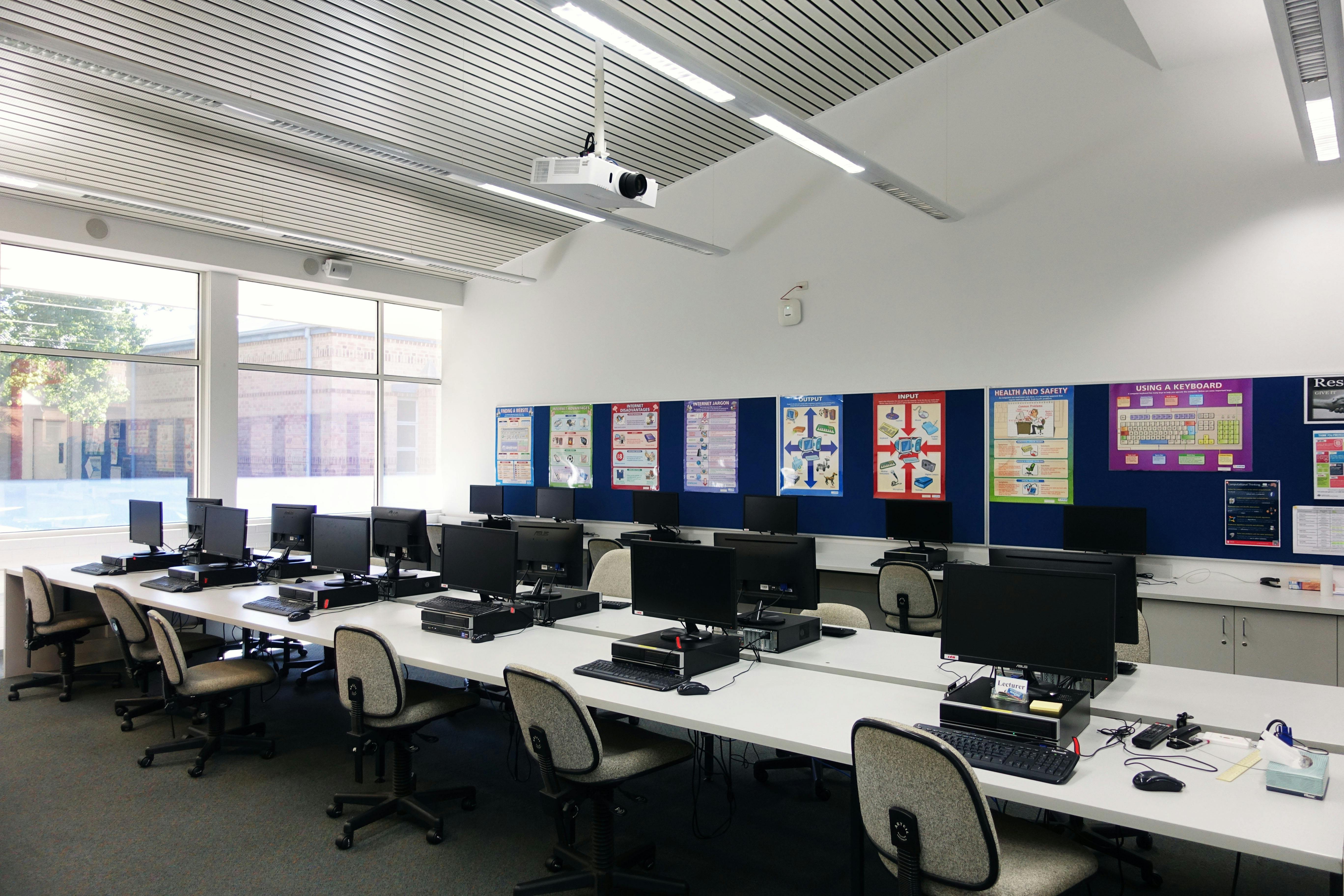
- Tech Support: Whether you have forgotten a password, have trouble accessing our student management system, learning platform, or remote and virtual labs, we provide assistance with information technology queries during normal business hours. Your dedicated Learning Support Officer is the key point of contact in seeking assistance.
- Student Success Workshops: Our student success workshops provide students with extra support and opportunities to enhance their learning journey and connect with peers, whether online or in person at one of our campuses. These sessions cover a wide range of categories, including: Study Planning, Time Management, Personal Health and Wellbeing, Careers & Employment, Assessment & Test Preparation, Academic Support, Social Events, plus more…
Library services
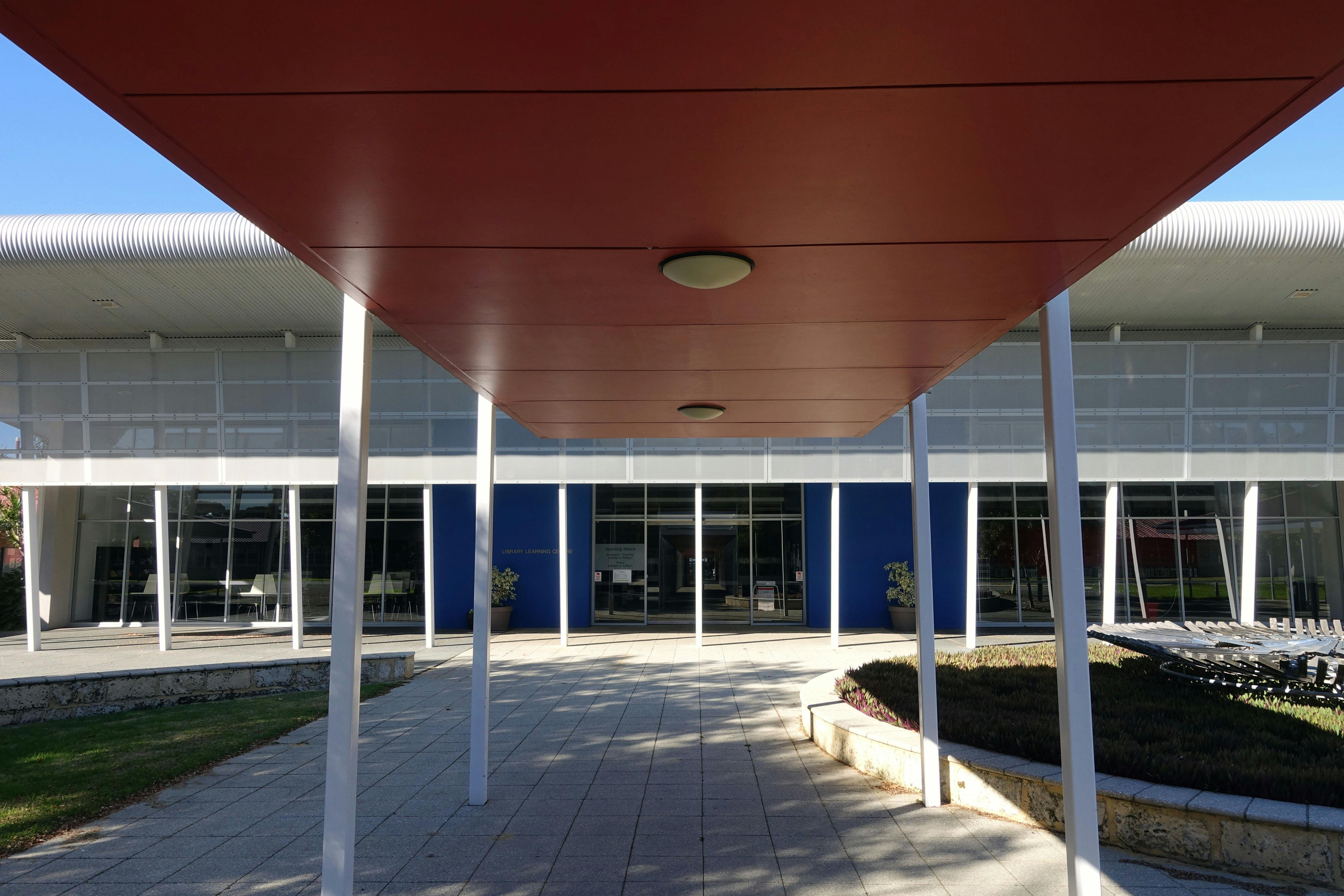
We pride ourselves on providing you with quality learning resources. All teaching materials are delivered via our learning management system, Moodle, including lecture and tutorial slides, and a comprehensive reading list. We also provide access to an extensive online eLibrary and a wide range of engineering-focussed library collections, including over 160 technical engineering manuals.
ICT services
Whether you have forgotten a password, have trouble accessing our student management system, learning platform, or remote and virtual labs, we provide assistance with information technology queries during normal business hours. Your dedicated Learning Support Officer is the key point of contact in seeking assistance.
Campus life
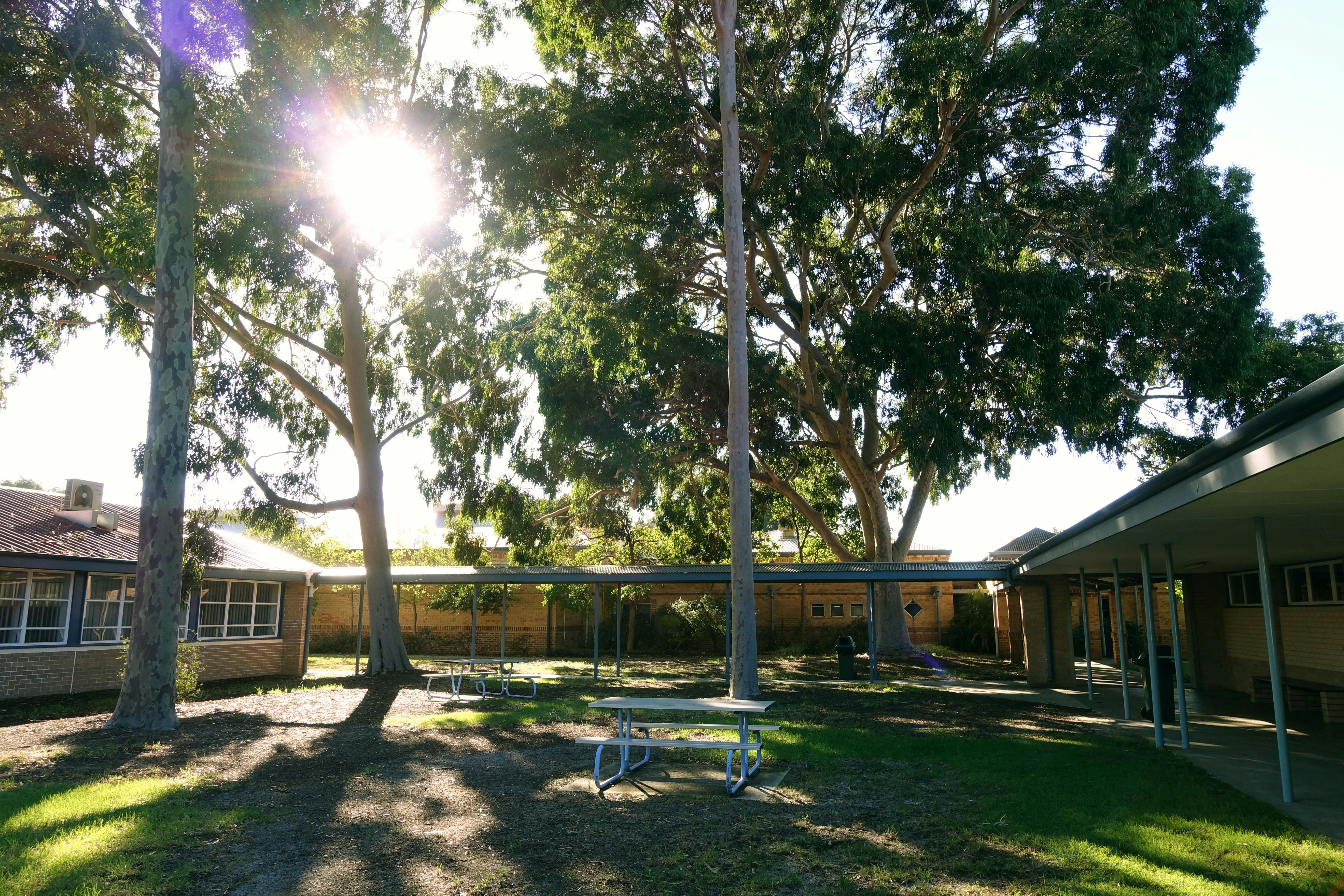
EIT has campuses across Australia in Perth (Western Australia), Melbourne (Victoria), and Brisbane (Queensland).
- Perth Campus
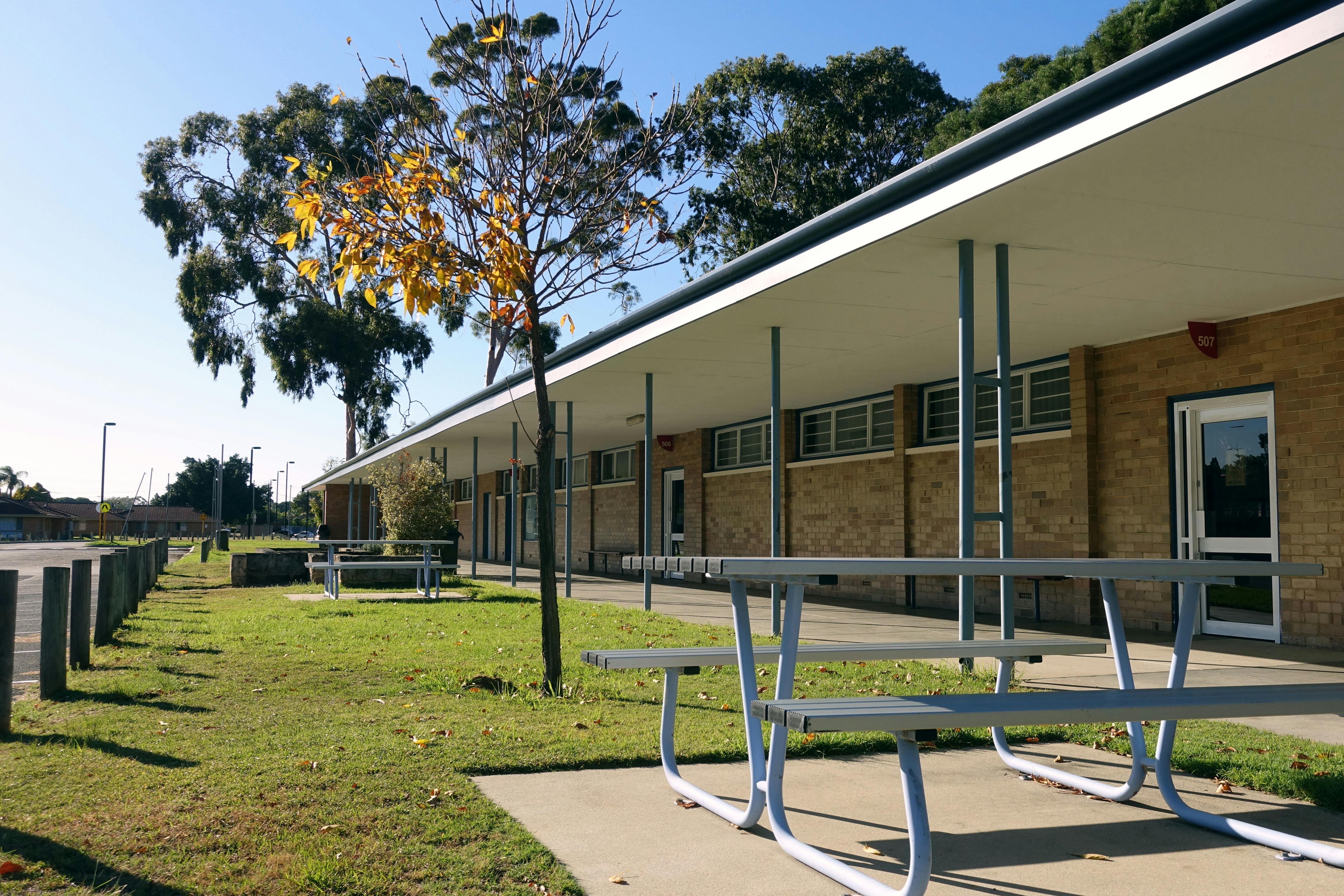
EIT’s brand-new multi-level campus in West Perth is conveniently located within walking distance of Perth’s city center. The campus is situated approximately two kilometers from one of the world’s largest inner-city parks, Kings Park.
- Melbourne Campus
EIT’s Victorian Campus is located in the heart of Melbourne. Students have easy access to public transport services, and it is close to restaurants, theatres, shopping, and sporting facilities.
- Brisbane Campus
EIT’s new Brisbane campus is located in the heart of the city, just a 5-minute walk from the central station, offering easy access to public transport. Brisbane is also known as the 'Sunny Capital' of Australia due to its mild winters.
Accreditation
- Our vocational and higher education programs are registered and accredited by the Australian Government.
- Many EIT programs have received recognition, endorsement, and/or accreditation from authorizing bodies based around the world, including the Washington, Sydney and Dublin accords.
- Students from any country should note that as a general rule, any individual, with a professional qualification from any educational institution anywhere in the world, can take details of that qualification to their local professional body and ask for it to be assessed for recognition to add to their professional standing within their local jurisdiction.
- Students should satisfy themselves through their own research with their local accreditation before commencing the program.
Engineering Institute of Technology Campus Locations
#1 Main Campus
Australia Country
Perth City
#2 Branch Campus
Australia Country
Melbourne City
#3 Branch Campus
Australia Country
Brisbane City